LENOVO Kioxia Toshiba Nvme Pcie Ssd Lenovo/kioxia/toshiba 4TB M.2 GEN4 SSS0L24820/KXG7APN84T09
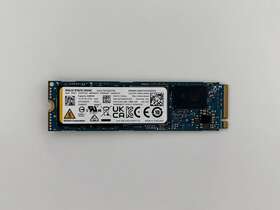
( Brand: Lenovo ), ( Manufacturer Part Number: SSS0L24820 ), ( Compatible With: Pc ), ( Type: Internal Ssd ), ( Drive Type S Supported: Ssd ), ( Storage Capacity: 4 Tb ), ( Interface: M.2 )
Review LENOVO Lenovo/kioxia/toshiba Xg7 4tb M.2 Nvme Pcie Ssd Sss0l24820/kxg7apn84t09
The Lenovo SSS0L24820, also known as the Lenovo/Kioxia/Toshiba XG7 4TB M.2 NVME PCIe Gen4 SSD, is a high-performance storage solution designed to meet the demands of modern computing. This SSD is equipped with PCIe Gen4 interface, which enables faster data transfer rates, significantly improving the overall system performance.
The 4TB capacity of this SSD provides ample storage space for storing large files, including high-resolution videos, games, and massive data sets. The M.2 form factor makes it easy to install and upgrade, as it fits directly into the M.2 slot on your motherboard.
The Lenovo SSS0L24820 is powered by Kioxia's 96-layer BiCS FLASH 3D NAND technology, ensuring reliable and consistent performance over time. This technology also allows for higher capacities and faster speeds compared to traditional NAND technologies.
The SSD features a robust and durable design, with a mean time between failures (MTBF) of 1.5 million hours. It is also shock and vibration resistant, making it a suitable choice for mobile computing applications.
In terms of performance, the Lenovo SSS0L24820 delivers read speeds of up to 7000MB/s and write speeds of up to 6000MB/s. These high speeds ensure that data is transferred quickly and efficiently, reducing wait times and improving system responsiveness.
The SSD also supports TLC (Triple-Level Cell) NAND, which allows for better power efficiency and extended endurance. This means that the SSD can handle heavy workloads without overheating or wearing out prematurely.
In conclusion, the Lenovo SSS0L24820 is a high-performance, high-capacity SSD that is suitable for a wide range of applications. Its PCIe Gen4 interface, 96-layer BiCS FLASH 3D NAND technology, and robust design make it a reliable and efficient storage solution for modern computing.
The Lenovo SSS0L24820, which is also marketed as the Lenovo/Kioxia/Toshiba XG7 4TB M.2 NVMe PCIe Gen4 SSD, is a high-performance storage solution. Here are its pros and cons:
Pros:1. High Speed: Supports PCIe Gen4 interface, providing ultra-fast read and write speeds, significantly improving system performance.
2. Large Capacity: Offers 4TB of storage space, ensuring ample room for storing large files, applications, and games.
3. Reliability: Being from well-known brands like Lenovo, Kioxia, and Toshiba, this SSD promises robustness, reliability, and a long lifespan.
4. Low Power Consumption: Due to its NVMe architecture, this SSD consumes less power compared to SATA SSDs, which contributes to better energy efficiency.
Cons:1. Price: High-performance NVMe SSDs like the Lenovo SSS0L24820 tend to be more expensive than their SATA counterparts, making them a less budget-friendly option.
2. Compatibility: Not all motherboards support PCIe Gen4, so you may need to ensure your system is compatible before making a purchase.
3. Limited Form Factor: M.2 NVMe SSDs are quite popular due to their compact size, but this form factor may not be suitable for every computer build or upgrade, as some systems may only have one M.2 slot or use different form factors.
Conclusion:The Lenovo SSS0L24820 is a powerful NVMe SSD that delivers top-notch performance and a substantial storage capacity. It's ideal for enthusiasts, gamers, professionals, and anyone looking to significantly improve their system's speed. If your system supports PCIe Gen4 and you're willing to invest in a high-performance storage solution, this SSD could be a great choice. However, take the higher price and potential compatibility issues into account before making a decision.
Details:
Same-day shipping on orders before 11am PST, Fully tested with 100% money-back guarantee Lenovo/Kioxia/Toshiba XG7 4TB M.2 NVMe PCIe Gen4 SSD, Item condition: This listing is for a Lenovo-branded Toshiba/Kioxia solid state drive Lenovo part # SSS0L24820 / Kioxia KXG7APN84T09 in perfect cosmetic condition and working no bad blocks or read/write issues.
part #: sss0l24820 prices
- $34.98-$448.99
specifications ssdaxz:
- brand: Lenovo
- mpn: Sss0l24820
- compatible with: Pc
- type: Internal Ssd
- drive type s supported: Ssd
- storage capacity: 4 Tb
- interface: M.2
payments ssdaxz:
- wallet: Paypal
- credit card: Visa
returns ssdaxz:
- method: Money back
- paid by: Seller
- policy: Returns Accepted
- time: 30 Days
seller ssdaxz:
- detailed rating: Communication: 5/5, Speed: 5/5, Accuracy: 4.98/5, Charges: 5/5
- rating: 100.0%
- city: San Diego, California
- # feedbacks: 5134
general ssdaxz:
- condition: Used
- Drives, storage Blank Media > Hard Drives HDD, SSD NAS > Solid State Drives
shipping ssdaxz:
- carrier: USPS
- transit: 3-7 Days
- class: Standard
- type: Fixed
- cost: $0.00
- service: USPS Ground Advantage
ratings:
- Great ! 01-24-24
- Well package and fast shipping. 01-18-24
- Quickly shipped to me! Ill never understand why something so new is this discounted. Disappointing clocker? 01-20-24
- A 01-27-24
- As described. Packaged well. 02-01-24
offer ssdaxz:
- options: Ship-to-home
- availability: In Stock
- started: February 7, 2024
- sold: 0
- quantity: 1
Lenovo SSS0L24820 Is Similar To:
- 00aj395 Lenovo 2.5 120gb Ssd Sata (31.5% similar) 5/1 20GB ssd satay 6GBS 00AJ395 this item is new, but packaged in a plain box instead of the retail. This item is purchased way in bulk from the manufacturer to be able offer lower pricing. Warranty the period for this item is 180 day. Product dimensions: approximately in length , wide, and height...(March 8th, 2017)
- 00fc106 Lenovo Ssd Windows Intel (20.6% similar) Removed from new in box Lenovo notebook will work any satay iii windows 10 compatible pro 64 bit licensed copy, so updates load 6 GB's made by intel, very high quality genuine part...(August 1st, 2018)
- 00fc761 Lenovo Micron Ssd 1tb (30.9% similar) Never opened out of its static bag. Does not include satay cables...(October 20th, 2017)
- 00hm230 Lenovo Sata Ssd Drive New (26.8% similar) Lenovo 128GB LC satay 6GBPS 5-INCH internal solid state drive ssd - 00HM230...(September 3rd, 2018)
- 00jt009 Lenovo Samsung Sata Ssd (24% similar) Samsung PM871 256GB m satay 80MM ssd MZNLN256HCHP-00L7 Lenovo 00JT009 opal used in excellent working condition interface...(September 18th, 2018)
- 00jt037 Lenovo Laptop Ssd (26.9% similar) In perfect condition...(March 25th, 2018)
- 00jt074 Lenovo Genuine Pcie Nvme Solid State Drive Ssd (29.7% similar) Genuine manufacturer refurbished Lenovo 512GB pcie GEN3 x4 nvme m solid state drive ssd 00JT07 on may at 13:56:37 PDT...(September 16th, 2018)
- 00nc575 Lenovo New Unopened Enterprise Sas Ssd Server (28.6% similar) Completely brand new. Given to by a company that didn't need it. Never been opened or used...(March 6th, 2018)
- 00up340 Lenovo 512gb Ssd Samsung (31.7% similar) All drives are in working order...(May 19th, 2017)
- 00up436 Lenovo Thinkcentre Tiny Desktop Pcie Ssd (29.6% similar) Serial number must match. We serialize everything...(July 25th, 2018)
