TOSHIBA RD400 Pcie Mlc Nvme Client Ocz 705641207374 128GB XG3
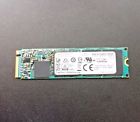
( Brand: Toshiba ), ( Storage Capacity: 128gb ), ( Interface: M.2 ), ( UPC: 705641207374 )
Review TOSHIBA Pcie Mlc Nvme Xg3 Client Edition Ocz
The Toshiba RD400 128GB PCIe MLC NVMe xG3 SSD, model number OCZ705641207374, is a high-performance solid-state drive designed for use as a client SSD. This drive is powered by Toshiba's advanced 64-layer 3D BiCS Flash technology, which provides superior reliability and performance.
The RD400 SSD features a PCIe Gen3 x4 interface, which allows it to transfer data at incredible speeds. With read speeds of up to 2,500MB/s and write speeds of up to 1,800MB/s, this drive can significantly improve the performance of your system. It also has a low 4K random read IOPS of 100,000 and a low 4K random write IOPS of 80,000, ensuring that your system can handle even the most demanding workloads.
The RD400 SSD is available in a 128GB capacity, which is suitable for use as a boot drive, caching drive, or secondary storage. It is also compatible with a wide range of systems, including desktops, laptops, and workstations. The drive measures 22mm x 80mm x 6mm and weighs only 18 grams, making it easy to install and upgrade your system.
The Toshiba RD400 128GB PCIe MLC NVMe xG3 SSD is backed by a 3-year warranty, which provides peace of mind and ensures that you are protected in the event of any manufacturing defects. This drive is a great choice for anyone looking for a high-performance, reliable, and affordable SSD for their system.
The Toshiba RD400 128GB PCIe MLC NVMe XG3 Client SSD (OEM model number OCZ 705641207374) is a high-performance storage solution designed for client systems. Let's explore its pros and cons.
Pros:1. High Speed: The Toshiba RD400 SSD uses PCIe NVMe technology, which offers significantly faster read and write speeds compared to SATA SSDs. This can result in faster system boot times, faster application loading, and improved system responsiveness.
2. Reliability: MLC (Multi-Level Cell) NAND flash memory is known for its reliability and data integrity. MLC cells can write and erase data multiple times, making it an ideal choice for client systems that require consistent performance over time.
3. Low Power Consumption: PCIe NVMe SSDs, including the Toshiba RD400, are more power-efficient than SATA SSDs, which can contribute to longer battery life in laptops and lower power consumption in desktop systems.
4. Low Heat Generation: Due to its efficient power consumption, the Toshiba RD400 also generates less heat compared to traditional HDDs and some SSDs, which can help maintain optimal temperature levels and reduce the risk of thermal throttling.
Cons:1. Cost: As a high-performance NVMe SSD, the Toshiba RD400 may be more expensive than comparable SATA SSDs or HDDs with larger storage capacities.
2. Limited Capacity: The 128GB capacity may not be sufficient for users with large data sets or who require more storage space.
3. Compatibility: Not all systems support PCIe NVMe SSDs, so it's essential to check your system's compatibility before making a purchase.
Conclusion:The Toshiba RD400 128GB PCIe MLC NVMe XG3 Client SSD is an excellent choice for users seeking high-performance storage with reliable data integrity and power efficiency. Its fast read and write speeds can significantly improve system performance, especially in client systems. However, its higher cost, limited capacity, and potential compatibility issues should be considered before making a purchase. If you value speed and reliability and have the budget, this SSD is a worthwhile investment. If cost is a concern or you require more storage capacity, you may want to consider alternative SSDs or HDDs.
Details:
1b nvme sequential read: up to 2,400mbs write 1,500mb Sm. 1 pcie nvm express revision.
part #: 705641207374 prices
- $48.00-$399.00
specifications ssdaxz:
- brand: Toshiba
- storage capacity: 128gb
- interface: M.2
- upc: 705641207374
Payments ssdaxz:
- PayPal
Ratings:
- Super Fast shipping, Great deal. A Thank you. Happy Holidays 12-09-17
- FIVE STAR SELLER!! FAST SHIPPING!! THANKS!! 12-05-17
- A shipping, pricing, and product. 12-09-17
- recieved on time and as stated in the ad 12-06-17
- Thank You!! Awesome condition my stepdaughter is going to love it. 12-09-17
Shipping ssdaxz:
- cost: $0.0
- handling: 3 days
- type: Calculated
Returns ssdaxz:
- policy: no returns
Seller ssdaxz:
- city: Moses Lake, Washington
- zipcode: 98837
Offer ssdaxz:
- best offer: false
- quantity: 2
- bids: 0
- Sold: 0
- Started: December 9, 2017, 9:17 pm
General ssdaxz:
- Computers > Drives storage Blank Media > Computer SSD Hard Drives > Solid State Drives
- condition: New other see details
- in stock: Yes
Toshiba RD400 Is Similar To:
- 04y2159 Thnsnh128gdnt Toshiba 04y2159 Laptop Ssd Pcie (43.2% similar) Stock photos. Notice: pictures shown are simply for reference. 2TYPE: 30 day money back guarantee warranty: all parts are tested and guaranteed to be working as described. In every way, these parts will function fully and completely...(January 2nd, 2017)
- 070kcw 70kcw Toshiba New Pcie Nvme Ssd Solid State Drive (41.8% similar) La-tonics - new Toshiba shipping: USA postal service. 2 pcie nvme 512GB sad solid state drive KXG50ZNV512G 070KCW 70KCW brand: Toshiba model: part number: 070KCW, PACKAGE:1 condition: item is brand new. 2 pcie nvme 512GB sad solid state drive KXG50ZNV512G 070KCW 70KCW...(October 29th, 2018)
- 4041h45 Toshiba Memory America Ocz Series Sata Iii Internal 696393142993 (35.5% similar) 5 satay iii 240GB internal solid state drive THN-TR20Z2400U8 cs. 5 THN-TR20Z2400U8 cs - built with Toshiba's latest 64-LAYER 3d Bic's flash memory longer battery life: lower power consumption compared to DDS for life built-in management modes quality reliability: Toshiba technology into every drive ...(September 24th, 2018)
- 619867152533 Ocz Storage Solutions Toshiba (31.2% similar) 6TB NP ZD4RPFC8MT310-1600. Brand new ocz z-drive 4500 1600GB...(May 29th, 2017)
- 656-0021c Toshiba 128gb Pcie Ssd (68.7% similar) ...(May 20th, 2017)
- 661-7456 661-7457 661-7458 655-1816 Toshiba 128gb Pcie Ssd Macbook (51.5% similar) Calculated shipping with FedEx: standard estimates are using FedEx ground service to a commercial address...(January 25th, 2017)
- 7vpp Toshiba Pcie 3.0x4 Nvme (47.6% similar) 0X4 nvme - 2 sad 512GB THNSN5512GPUK - 7VPP solid state drive. Toshiba pcie...(May 15th, 2017)
- 819237-001 Hp Liteon Toshiba Mlc Ahci Ssd (42.1% similar) 5 million hours features eccl Bach 80 random bits 2KB technical specifications model name CX1-JB256 capacity 256 gb performance sequential read WRITE1 MB's 4k random 100K oops compatibility host interface pcie gen 2X4 form factor no other accessories included. This drive uses 19NM Toshiba A19 mlc ...(May 25th, 2018)
- Cn3jh Dell Toshiba 800gb Mlc (54% similar) Or its subsidiaries in the USA and other countries. 5 inch small form factor FSF enterprise class write intensive WI multi level cell 12GBS SAS3 solid state hard drive pictures for display purposes only, please see complete specifications. 5 inch small form factor FSF enterprise class write ...(July 5th, 2017)
- Px02smf020-dell Dell Toshiba 200gb Mlc Sas Iii 2.5 Inch Sff 12g Solid State Drive Ssd (31.7% similar) Or its subsidiaries in the USA and other countries. Buyer pays shipping and handling. It creations. Shipping shipping shipping costs listed are to the 48 contiguous states...(May 5th, 2016)
